
太白 (Tàibái) — Supreme White
Spleen channel · point 3
Traditionally used for
- Digestion
- Bowel health
- Pain & joints
- Energy & fatigue
Location
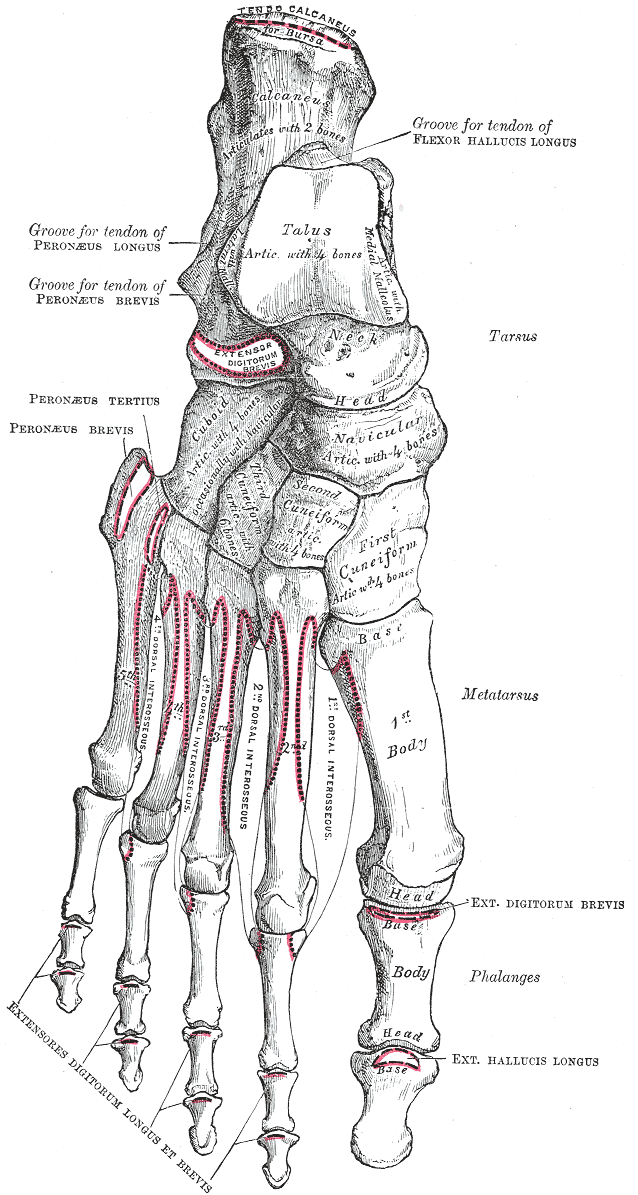
On the medial side of the foot, in the depression proximal and inferior to the first metatarsophalangeal joint, at the border between red and white flesh.
How to locate: Run a finger along the red-white skin border on the medial side of the foot from the toes toward the ankle; just past the prominent first metatarsophalangeal joint it drops into a clear depression where the head of the first metatarsal meets its shaft.
Regional anatomy: Vessels: the dorsal venous network of foot, the medial plantar artery and the branches of the medial tarsal artery. Nerves: the branches of the saphenous nerve and superficial peroneal nerve.
Distances are in cun, a proportional unit — how to measure.
Needling
Cited needling
-
Perpendicular insertionDepth 0.5–1 cunskindeeper
Second source — Beijing College of Traditional Chinese Medicine, et al 1980, p. 145:
-
Perpendicular insertionDepth 0.3–0.3 in (≈8–8 mm)skindeeper
Depths describe average adult habitus in the cited population, never a single safe number for the patient in front of you. Palpate and adjust.
Sources (2)
- Deadman P, Al-Khafaji M, Baker K. A Manual of Acupuncture. Hove: Journal of Chinese Medicine Publications; 1998 — p. 184 Supports: techniques (names this point)
- Beijing College of Traditional Chinese Medicine, et al. Essentials of Chinese Acupuncture. Beijing: Foreign Languages Press; 1980 — p. 145 Supports: techniques (names this point)
Site notes · not cited
Functions
- Tonifies the Spleen and resolves dampness and damp-heat
- Harmonises the middle burner and regulates the intestines
- Benefits the sinews and bones
Indications
Balance Method partners
Under Dr. Tan's six systems, SP3 at the foot balances these channels at the regions its segment images.
-
1. Same Chinese nameLung channelHand · Mirror (arm ↔ leg)Head & face, Crown & occiput, Ear · Image, head at the hand/footSolve for the Lung channel →
-
2. Branching (Bie Jing / Zang Fu Bie Tong)Small Intestine channelHand · Mirror (arm ↔ leg)Head & face, Crown & occiput, Ear · Image, head at the hand/footSolve for the Small Intestine channel →
-
3. Interior–exterior pairStomach channelFoot · Same segment, opposite sideHead & face, Crown & occiput, Ear · Image, head at the hand/footSolve for the Stomach channel →
-
4. Chinese clock oppositeTriple Energiser channelHand · Mirror (arm ↔ leg)Head & face, Crown & occiput, Ear · Image, head at the hand/footSolve for the Triple Energiser channel →
-
5. Chinese clock neighbourHeart channelHand · Mirror (arm ↔ leg)Head & face, Crown & occiput, Ear · Image, head at the hand/footSolve for the Heart channel →
-
6. Same channelSpleen channelFoot · Same segment, opposite sideHead & face, Crown & occiput, Ear · Image, head at the hand/footSolve for the Spleen channel →
Classical calendar method · 子午流注
When the tables open SP3
The hours Zi Wu Liu Zhu names this point at, by method. Times are the double-hour's start in America/New_York.
-
己丑 01:00–03:00 Na Jia Fa, 乙-day sequence · Shu-Stream (俞)
「己丑太白太衝穴」
Next: Sat 28 Nov, 01:00
-
癸酉 17:00–19:00 Na Jia Fa, 己-day sequence · Yuan-Source (原), returning to the source
「癸酉太蹊太白原」
Next: Tue 1 Dec, 17:00
A classical reference, not a recommendation: the tables say when the method opens this point, not that it is the point to needle. Open points by the hour →
Clinical Notes
Similar Points
Ranked by shared patterns and conditions
Sources
- World Health Organization. WHO Standard Acupuncture Point Locations in the Western Pacific Region. Manila: WHO Regional Office for the Western Pacific, 2008. (Location.)
- Focks C, ed. Atlas of Acupuncture. Edinburgh: Churchill Livingstone Elsevier, 2008. (Locating method and actions.)
- Beijing College of Traditional Chinese Medicine, Shanghai College of Traditional Chinese Medicine, Nanjing College of Traditional Chinese Medicine, Acupuncture Institute of the Academy of Traditional Chinese Medicine. Essentials of Chinese Acupuncture. Beijing: Foreign Languages Press, 1980. (Regional anatomy.)
Professional contributions
Clinical notes and case studies from verified practitioners, reviewed by our team before they appear. Each entry is one practitioner's report — not editorial content, and not a dosing reference.
No professional contributions yet.
Verified professionals with a live directory listing can share clinical notes and case studies here.
📝 Notes
Public notes from the community and your own private notes on SP3 Taibai.
No notes yet.