
脾俞 (Píshū) — Spleen Shu
Bladder channel · point 20
Traditionally used for
- Digestion
- Urinary & fluids
- Menstrual & women's health
- Energy & fatigue
- Liver & jaundice
Cautions & contraindications
- No deep needling
Location
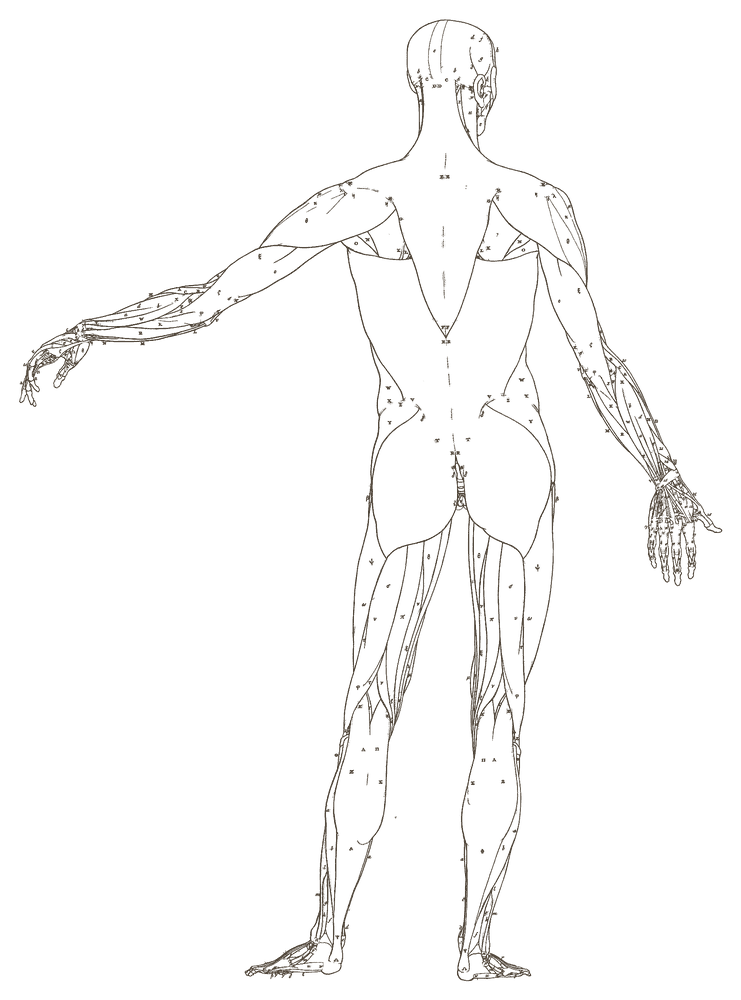
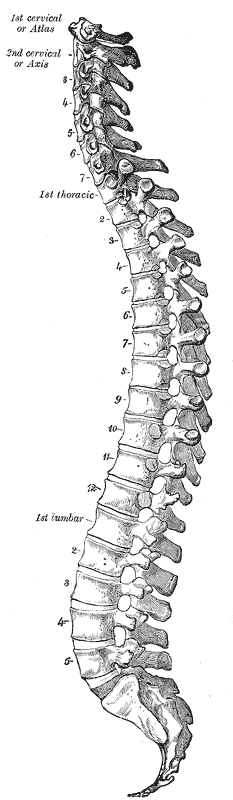
On the back, 1.5 cun lateral to the lower border of the spinous process of T11.
How to locate: With the patient prone, trace the twelfth rib back to T12 and count up one spinous process to T11 (or down four from T7 at the inferior angle of the scapula); the point is 1.5 cun lateral to the lower edge of the T11 process.
Regional anatomy: Skin and subcutaneous tissue, then latissimus dorsi, serratus posterior inferior and erector spinae; the lower edge of the pleura still reaches this level, so the needle is kept shallow and angled toward the spine.
Distances are in cun, a proportional unit — how to measure.
Needling
Cited needling
Techniques — the source gives these as alternatives:
-
Oblique insertion — towards the spineDepth 0.5–1 cunskindeeper
-
Transverse-oblique insertionDepth 1–1.5 cunskindeeper
Depths describe average adult habitus in the cited population, never a single safe number for the patient in front of you. Palpate and adjust.
Sources (1)
- Deadman P, Al-Khafaji M, Baker K. A Manual of Acupuncture. Hove: Journal of Chinese Medicine Publications; 1998 — p. 278 Supports: techniques (names this point)
Site notes · not cited
- No deep needling
Functions
- Tonifies Spleen qi and yang and resolves dampness
- Nourishes blood and controls the blood
- Raises the yang and lifts prolapse
- Harmonises the middle burner
Indications
Combinations Using This Point
Similar Points
Ranked by shared patterns and conditions
Sources
- World Health Organization. WHO Standard Acupuncture Point Locations in the Western Pacific Region. Manila: WHO Regional Office for the Western Pacific, 2008. (Location.)
- Focks C, ed. Atlas of Acupuncture. Edinburgh: Churchill Livingstone Elsevier, 2008. (Locating method and actions.)
📝 Notes
Public notes from the community and your own private notes on BL20 Pishu.
No notes yet.