
天井 (Tiānjǐng) — Celestial Well
Triple Energiser channel · point 10
Traditionally used for
- Headaches
- Cough & breathing
- Mood & calm
- Nerves & recovery
Location
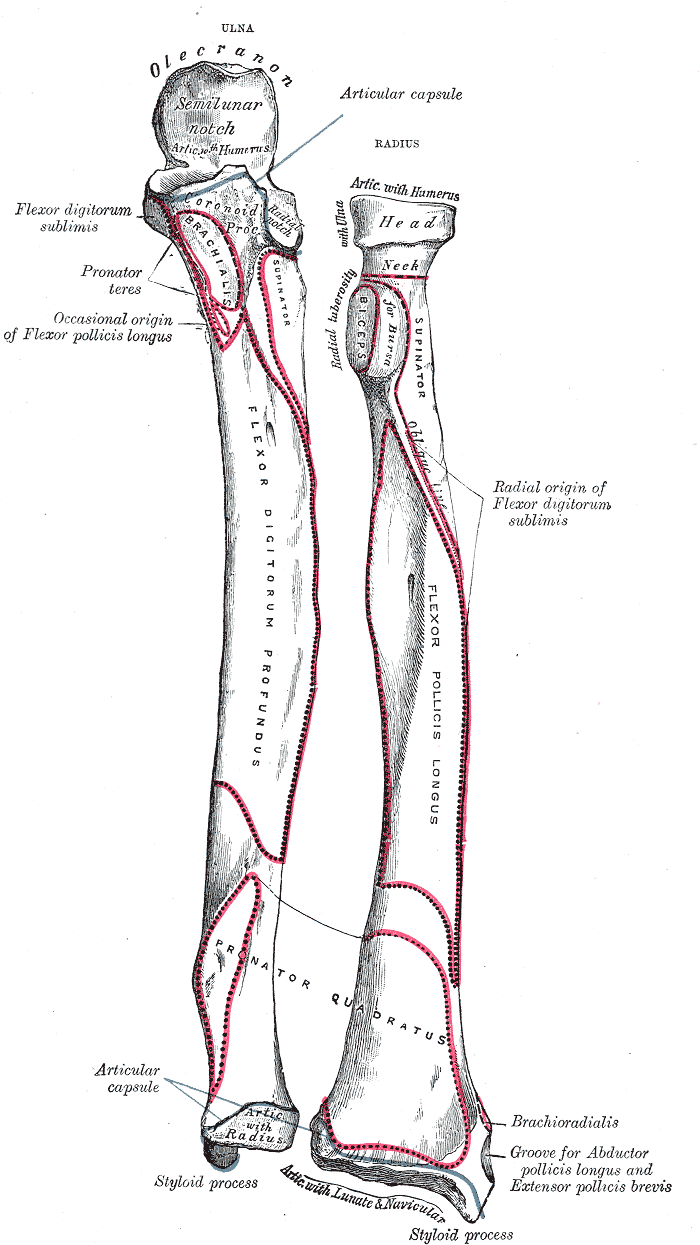
On the posterior aspect of the arm, in the depression about 1 cun superior to the olecranon, with the elbow flexed.
How to locate: Flex the elbow to about 90 degrees; a clear hollow opens about 1 cun above the tip of the olecranon (the olecranon fossa), and the point is in it.
Distances are in cun, a proportional unit — how to measure.

3D view
3D view not available for this point: its position can't be carried onto the 3D model reliably (it failed a placement check). The 2D maps above show it.
Needling
Cited needling
-
Perpendicular insertionDepth 0.5–1 cunskindeeper
Depths describe average adult habitus in the cited population, never a single safe number for the patient in front of you. Palpate and adjust.
Sources (1)
- Deadman P, Al-Khafaji M, Baker K. A Manual of Acupuncture. Hove: Journal of Chinese Medicine Publications; 1998 — p. 402 Supports: techniques (names this point)
Site notes · not cited
Functions
- Transforms phlegm and dissipates nodules
- Regulates and descends qi
- Clears heat and calms the spirit
- Activates the channel, benefits the elbow and relieves pain
Indications
Balance Method partners
Under Dr. Tan's six systems, TE10 at the elbow balances these channels at the regions its segment images.
-
1. Same Chinese nameGallbladder channelKnee, Back of knee · Mirror (arm ↔ leg)Knee, Back of knee · Reversed mirrorUpper abdomen, Lower back · Image, head at the hand/footChest, Upper back · Image, head toward the elbow/kneeSolve for the Gallbladder channel →
-
2. Branching (Bie Jing / Zang Fu Bie Tong)Kidney channelKnee, Back of knee · Mirror (arm ↔ leg)Knee, Back of knee · Reversed mirrorUpper abdomen, Lower back · Image, head at the hand/footChest, Upper back · Image, head toward the elbow/kneeSolve for the Kidney channel →
-
3. Interior–exterior pairPericardium channelElbow · Same segment, opposite sideUpper abdomen, Lower back · Image, head at the hand/footChest, Upper back · Image, head toward the elbow/kneeSolve for the Pericardium channel →
-
4. Chinese clock oppositeSpleen channelKnee, Back of knee · Mirror (arm ↔ leg)Knee, Back of knee · Reversed mirrorUpper abdomen, Lower back · Image, head at the hand/footChest, Upper back · Image, head toward the elbow/kneeSolve for the Spleen channel →
-
5. Chinese clock neighbourGallbladder channelKnee, Back of knee · Mirror (arm ↔ leg)Knee, Back of knee · Reversed mirrorUpper abdomen, Lower back · Image, head at the hand/footChest, Upper back · Image, head toward the elbow/kneeSolve for the Gallbladder channel →
-
6. Same channelTriple Energiser channelElbow · Same segment, opposite sideUpper abdomen, Lower back · Image, head at the hand/footChest, Upper back · Image, head toward the elbow/kneeSolve for the Triple Energiser channel →
Classical calendar method · 子午流注
When the tables open TE10
The hours Zi Wu Liu Zhu names this point at, by method. Times are the double-hour's start in UTC.
-
庚寅 03:00–05:00 Na Jia Fa, 庚-day sequence · Na (納) point
「庚寅氣納三焦合,天井之中不用疑」
Next: Sat 24 Oct, 03:00
-
亥 21:00–23:00 Na Zi Fa, TE channel · reduce (瀉)
「瀉用亥時,天井,為合土」
Next: Thu 15 Oct, 21:00
A classical reference, not a recommendation: the tables say when the method opens this point, not that it is the point to needle. Open points by the hour →
Clinical Notes
Sources
- World Health Organization. WHO Standard Acupuncture Point Locations in the Western Pacific Region. Manila: WHO Regional Office for the Western Pacific, 2008. (Location.)
- Focks C, ed. Atlas of Acupuncture. Edinburgh: Churchill Livingstone Elsevier, 2008. (Locating method and actions.)
📝 Notes
Public notes from the community and your own private notes on TE10 Tianjing.
No notes yet.