
公孫 (Gōngsūn) — Yellow Emperor
Spleen channel · point 4
Traditionally used for
- Digestion
- Bowel health
- Menstrual & women's health
- Sleep
- Mood & calm
Location
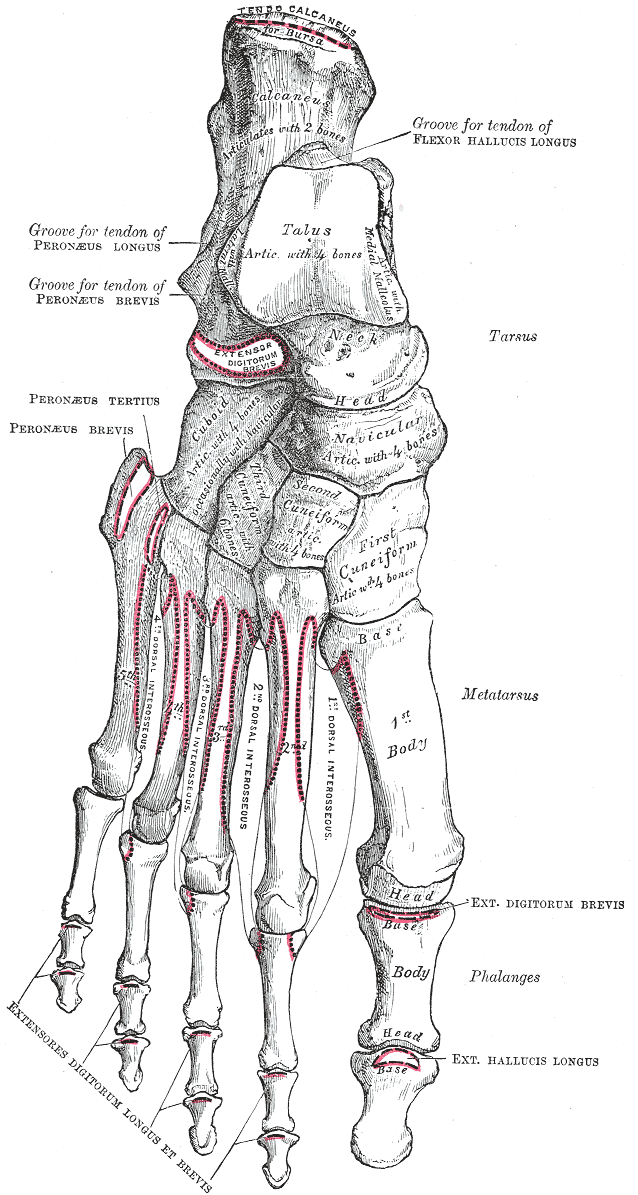
On the medial side of the foot, in the depression distal and inferior to the base of the first metatarsal bone, at the border between red and white flesh.
How to locate: From SP3, slide the finger proximally along the shaft of the first metatarsal, at the border of red and white flesh, until it meets the bony prominence of the metatarsal base; the point is in the hollow just distal to that prominence.
Regional anatomy: Vessels: the medial tarsal artery and the dorsal venous network of foot. Nerves: the saphenous nerve and the branch of the superficial peroneal nerve.
Distances are in cun, a proportional unit — how to measure.
Needling
Cited needling
-
Perpendicular insertionDepth 0.5–1 cunskindeeper
Second source — Beijing College of Traditional Chinese Medicine, et al 1980, p. 146:
-
Perpendicular insertionDepth 0.5–1 in (≈13–25 mm)skindeeper
Depths describe average adult habitus in the cited population, never a single safe number for the patient in front of you. Palpate and adjust.
Sources (2)
- Deadman P, Al-Khafaji M, Baker K. A Manual of Acupuncture. Hove: Journal of Chinese Medicine Publications; 1998 — p. 186 Supports: techniques (names this point)
- Beijing College of Traditional Chinese Medicine, et al. Essentials of Chinese Acupuncture. Beijing: Foreign Languages Press; 1980 — p. 146 Supports: techniques (names this point)
Site notes · not cited
Functions
- Strengthens the Spleen, resolves dampness and harmonises the middle burner
- Opens and regulates the Chong Mai
- Calms the spirit and relieves chest and epigastric fullness
- Regulates menstruation
Indications
Balance Method partners
Under Dr. Tan's six systems, SP4 at the foot balances these channels at the regions its segment images.
-
1. Same Chinese nameLung channelHand · Mirror (arm ↔ leg)Head & face, Crown & occiput, Ear · Image, head at the hand/footSolve for the Lung channel →
-
2. Branching (Bie Jing / Zang Fu Bie Tong)Small Intestine channelHand · Mirror (arm ↔ leg)Head & face, Crown & occiput, Ear · Image, head at the hand/footSolve for the Small Intestine channel →
-
3. Interior–exterior pairStomach channelFoot · Same segment, opposite sideHead & face, Crown & occiput, Ear · Image, head at the hand/footSolve for the Stomach channel →
-
4. Chinese clock oppositeTriple Energiser channelHand · Mirror (arm ↔ leg)Head & face, Crown & occiput, Ear · Image, head at the hand/footSolve for the Triple Energiser channel →
-
5. Chinese clock neighbourHeart channelHand · Mirror (arm ↔ leg)Head & face, Crown & occiput, Ear · Image, head at the hand/footSolve for the Heart channel →
-
6. Same channelSpleen channelFoot · Same segment, opposite sideHead & face, Crown & occiput, Ear · Image, head at the hand/footSolve for the Spleen channel →
Clinical Notes
Combinations Using This Point
Bi syndrome — toes
SP4, BL65 and Bafeng in the foot, for numbness and pain of the toes.
Abdominal pain — above the umbilicus
SP4 with ST24 and CV10 for abdominal pain located above the navel, the area the book assigns to the spleen.
Chong Mai Pair — PC6 and SP4
The opening pair of the Penetrating Vessel and Yin Wei — the standard combination for the epigastrium, the heart and the chest.
Vomiting
ST36, CV12, PC6 and SP4 together: the college base prescription for vomiting from food retention, liver qi invading the stomach, or a weak spleen and stomach.
Similar Points
Sources
- World Health Organization. WHO Standard Acupuncture Point Locations in the Western Pacific Region. Manila: WHO Regional Office for the Western Pacific, 2008. (Location.)
- Focks C, ed. Atlas of Acupuncture. Edinburgh: Churchill Livingstone Elsevier, 2008. (Locating method and actions.)
- Beijing College of Traditional Chinese Medicine, Shanghai College of Traditional Chinese Medicine, Nanjing College of Traditional Chinese Medicine, Acupuncture Institute of the Academy of Traditional Chinese Medicine. Essentials of Chinese Acupuncture. Beijing: Foreign Languages Press, 1980. (Regional anatomy.)
Professional contributions
Clinical notes and case studies from verified practitioners, reviewed by our team before they appear. Each entry is one practitioner's report — not editorial content, and not a dosing reference.
No professional contributions yet.
Verified professionals with a live directory listing can share clinical notes and case studies here.
📝 Notes
Public notes from the community and your own private notes on SP4 Gongsun.
No notes yet.