
曲池 (Qūchí) — Pool at the Bend
Large Intestine channel · point 11
Traditionally used for
- Eye health
- Nose & throat
- Colds & fever
- Digestion
- Bowel health
- Nerves & recovery
- Pain & joints
- Blood pressure
- Skin
Location
On the lateral aspect of the elbow, at the midpoint of the line connecting LU5 and the lateral epicondyle of the humerus; with the elbow fully flexed, in the depression at the lateral end of the cubital crease.
How to locate: Flex the elbow fully to mark the outer end of the cubital crease; then, with the elbow at about 90°, feel for the tender depression there, midway between LU5 and the lateral epicondyle.
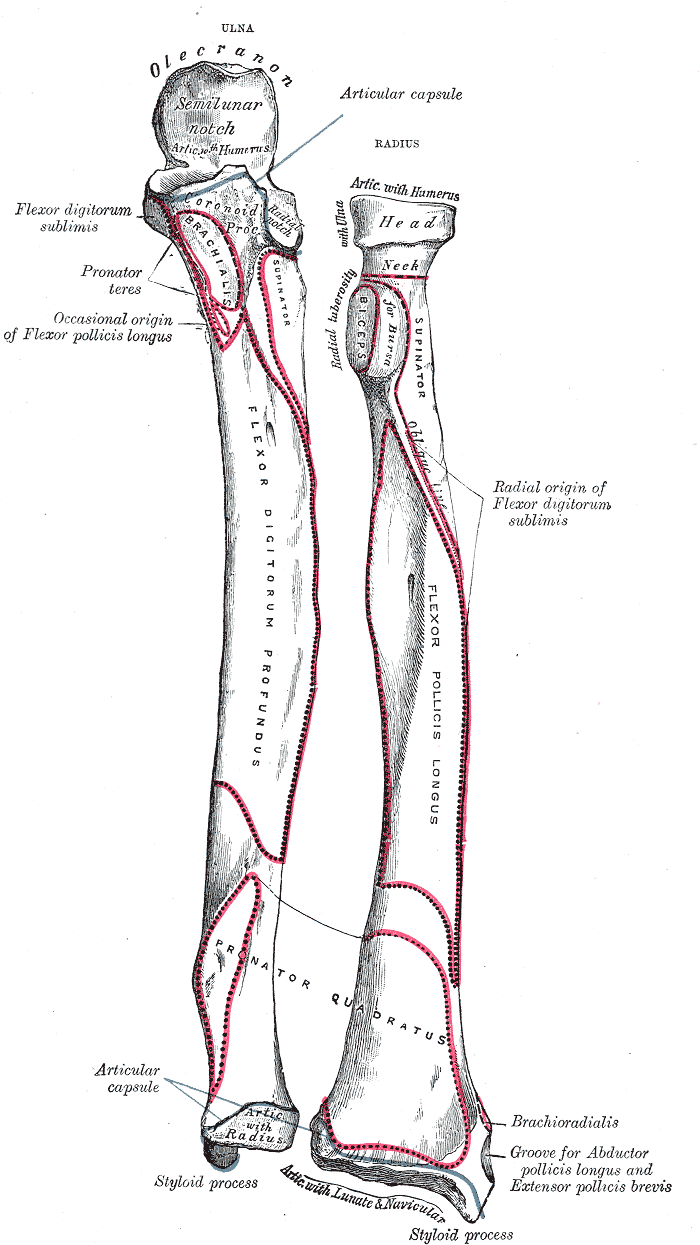
Regional anatomy: The needle passes through the skin and subcutaneous tissue into extensor carpi radialis longus and brevis and brachioradialis, reaching brachialis; the radial nerve runs deep to the point.
Distances are in cun, a proportional unit — how to measure.

Needling
Cited needling
Techniques — the source gives these as alternatives:
-
Perpendicular insertionDepth 1–1.5 cunskindeeper
-
Through-needling — to Shaohai HT3
Depths describe average adult habitus in the cited population, never a single safe number for the patient in front of you. Palpate and adjust.
Sources (1)
- Deadman P, Al-Khafaji M, Baker K. A Manual of Acupuncture. Hove: Journal of Chinese Medicine Publications; 1998 — p. 112 Supports: techniques (names this point)
Site notes · not cited
Functions
- Clears heat and fire from the Yangming
- Cools the blood and relieves itching
- Expels wind and resolves dampness
- Regulates qi and blood
- Benefits the sinews and joints
Indications
Balance Method partners
Under Dr. Tan's six systems, LI11 at the elbow balances these channels at the regions its segment images.
-
1. Same Chinese nameStomach channelKnee, Back of knee · Mirror (arm ↔ leg)Knee, Back of knee · Reversed mirrorUpper abdomen, Lower back · Image, head at the hand/footChest, Upper back · Image, head toward the elbow/kneeSolve for the Stomach channel →
-
2. Branching (Bie Jing / Zang Fu Bie Tong)Liver channelKnee, Back of knee · Mirror (arm ↔ leg)Knee, Back of knee · Reversed mirrorUpper abdomen, Lower back · Image, head at the hand/footChest, Upper back · Image, head toward the elbow/kneeSolve for the Liver channel →
-
3. Interior–exterior pairLung channelElbow · Same segment, opposite sideUpper abdomen, Lower back · Image, head at the hand/footChest, Upper back · Image, head toward the elbow/kneeSolve for the Lung channel →
-
4. Chinese clock oppositeKidney channelKnee, Back of knee · Mirror (arm ↔ leg)Knee, Back of knee · Reversed mirrorUpper abdomen, Lower back · Image, head at the hand/footChest, Upper back · Image, head toward the elbow/kneeSolve for the Kidney channel →
-
5. Chinese clock neighbourStomach channelKnee, Back of knee · Mirror (arm ↔ leg)Knee, Back of knee · Reversed mirrorUpper abdomen, Lower back · Image, head at the hand/footChest, Upper back · Image, head toward the elbow/kneeSolve for the Stomach channel →
-
6. Same channelLarge Intestine channelElbow · Same segment, opposite sideUpper abdomen, Lower back · Image, head at the hand/footChest, Upper back · Image, head toward the elbow/kneeSolve for the Large Intestine channel →
Classical calendar method · 子午流注
When the tables open LI11
The hours Zi Wu Liu Zhu names this point at, by method. Times are the double-hour's start in UTC.
-
庚戌 19:00–21:00 Na Jia Fa, 壬-day sequence · He-Sea (合)
「大腸庚戌曲池真」
Next: Thu 15 Oct, 19:00
-
辰 07:00–09:00 Na Zi Fa, LI channel · reinforce (補)
「補用辰時,曲池,為合土」
Next: Tue 13 Oct, 07:00
A classical reference, not a recommendation: the tables say when the method opens this point, not that it is the point to needle. Open points by the hour →
Clinical Notes
Combinations Using This Point
Balance Method for Knee Pain
Knee pain treated at the elbow of the opposite arm, on the channel that corresponds to the aspect of the knee involved.
Quchi and Hegu
LI11 and LI4 on the yang-ming channel — for headache, facial and throat complaints, skin itch and urticaria, abdominal disorders and arm paralysis.
Miriam Lee's Ten Points
Five points needled bilaterally — LI4, LI11, ST36, SP6 and LU7 — as a single restorative prescription for the depleted, overworked patient.
Yanglingquan and Quchi
LI11 and GB34, He-Sea points of elbow and knee — for hemiplegia, weak or numb legs, headache, tinnitus, cough and wheeze.
Sources
- World Health Organization. WHO Standard Acupuncture Point Locations in the Western Pacific Region. Manila: WHO Regional Office for the Western Pacific, 2008. (Location.)
- Focks C, ed. Atlas of Acupuncture. Edinburgh: Churchill Livingstone Elsevier, 2008. (Locating method and actions.)
📝 Notes
Public notes from the community and your own private notes on LI11 Quchi.
No notes yet.