
完骨 (Wángǔ) — Completion Bone
Gallbladder channel · point 12
Traditionally used for
- Headaches
- Ears & hearing
- Teeth & mouth
- Cough & breathing
- Sleep
- Mood & calm
- Nerves & recovery
- Pain & joints
Location
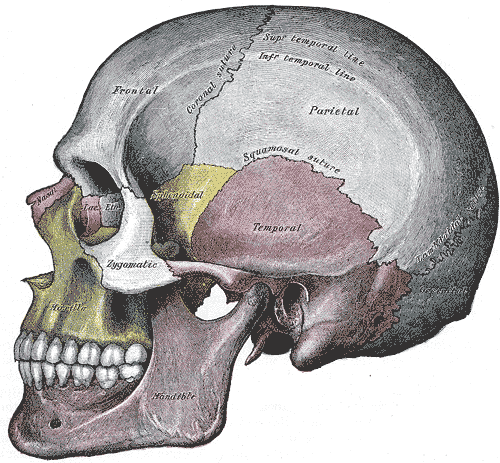
On the head, in the depression posterior and inferior to the mastoid process.
How to locate: Feel the cone-shaped mastoid process behind the ear and follow it down to its tip; the point is in the depression just behind and below it, further back than TE17.
Distances are in cun, a proportional unit — how to measure.

3D view
3D view not available for this point: its position can't be carried onto the 3D model reliably (it failed a placement check). The 2D maps above show it.
Needling
Cited needling
-
Oblique insertion — inferiorDepth 0.5–1 cunskindeeper
Depths describe average adult habitus in the cited population, never a single safe number for the patient in front of you. Palpate and adjust.
Sources (1)
- Deadman P, Al-Khafaji M, Baker K. A Manual of Acupuncture. Hove: Journal of Chinese Medicine Publications; 1998 — p. 430 Supports: techniques (names this point)
Site notes · not cited
Functions
- Expels wind and benefits the head and neck
- Clears heat and resolves damp and phlegm
- Benefits the ears
- Calms the spirit and aids sleep
Indications
Similar Points
Sources
- World Health Organization. WHO Standard Acupuncture Point Locations in the Western Pacific Region. Manila: WHO Regional Office for the Western Pacific, 2008. (Location.)
- Focks C, ed. Atlas of Acupuncture. Edinburgh: Churchill Livingstone Elsevier, 2008. (Locating method and actions.)
📝 Notes
Public notes from the community and your own private notes on GB12 Wangu.
No notes yet.