
四神聰 (Sìshéncōng) — Four Alert Spirit
Extra point · Extra (Head and Neck) · point EX-HN1
Traditionally used for
- Headaches
- Dizziness
- Eye health
- Ears & hearing
- Sleep
- Mood & calm
- Nerves & recovery
Location
A group of four points on the vertex, each 1 cun anterior, posterior and lateral to GV20.
How to locate: With the patient seated or supine, find GV20 at the vertex where the line joining the apices of the ears crosses the midline; the four points lie 1 cun in front of, behind, and to each side of it.
Regional anatomy: Skin and dense subcutaneous tissue, then the galea aponeurotica, the loose subaponeurotic connective tissue and the periosteum of the skull.
Distances are in cun, a proportional unit — how to measure.
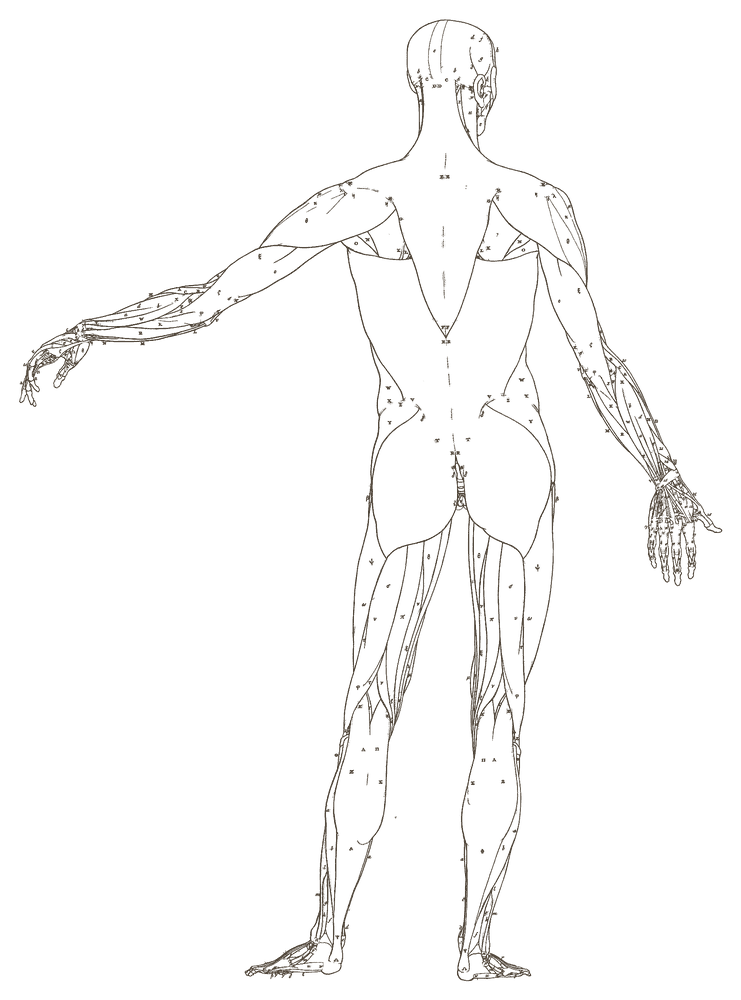
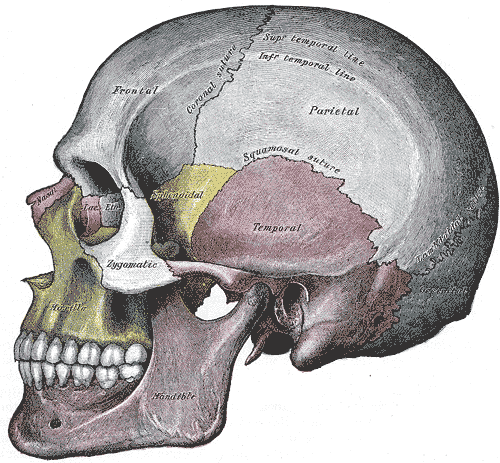
3D view
3D view not available for this point: its position can't be carried onto the 3D model reliably (it failed a placement check). The 2D maps above show it.
Needling
Functions
- Calms the spirit and settles the mind
- Clears the head and benefits the eyes and ears
- Extinguishes internal wind
- Relieves pain
- Raises yang
Indications
Clinical Notes
Combinations Using This Point
Sishencong, Shenting and Benshen
Sishencong, Shenting and Benshen on the vertex and front hairline — a scalp set for settling the spirit, clearing the head and supporting memory.
Calming the Spirit — HT7, PC6, Yintang and GV20
The four points most reached for in anxiety and insomnia — two distal, two on the midline of the head.
Sources
- Focks C, ed. Atlas of Acupuncture. Edinburgh: Churchill Livingstone Elsevier, 2008. (Locating method and actions.)
📝 Notes
Public notes from the community and your own private notes on EX-HN1 Sishencong.
No notes yet.