
崑崙 (Kūnlún) — Kunlun Mountains
Bladder channel · point 60
Traditionally used for
- Headaches
- Dizziness
- Nose & throat
- Urinary & fluids
- Nerves & recovery
- Pain & joints
Cautions & contraindications
- Pregnancy
Location
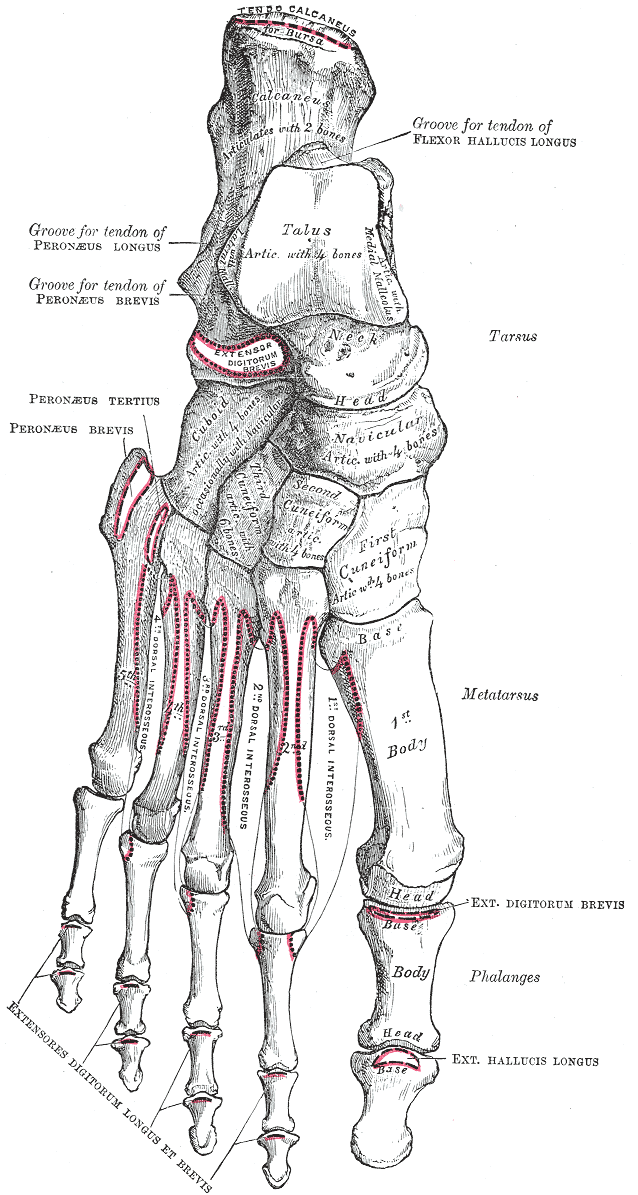
On the posterolateral aspect of the ankle, in the depression between the prominence of the lateral malleolus and the Achilles tendon.
How to locate: With the patient seated with the foot flat or lying prone, the point is in the hollow midway between the most prominent point of the lateral malleolus and the Achilles tendon, level with that prominence.
Regional anatomy: Skin and subcutaneous fat in the hollow between the Achilles tendon and the peroneal tendons behind the lateral malleolus; the sural nerve and small saphenous vein pass close by.
Distances are in cun, a proportional unit — how to measure.
Needling
Cited needling
- Pregnancy: contraindicated
Techniques — the source gives these as alternatives:
-
Perpendicular insertionDepth 0.5–1 cunskindeeper
-
Through-needling — directed superiorly to join with Taixi KI3Depth 1.5–2 cunskindeeper
Traditionally forbidden in pregnancy (at least before 37 weeks). Carr (2015) reviewed the trials and found no objective evidence of harm from needling these points; the prohibition is traditional, not evidence-based.
Depths describe average adult habitus in the cited population, never a single safe number for the patient in front of you. Palpate and adjust.
Sources (2)
- Carr DJ. The safety of obstetric acupuncture: forbidden points revisited. Acupunct Med. 2015;33(5):413-419 — Identifying sources of concern and relevant outcomes Supports: pregnancy (names this point)
- Deadman P, Al-Khafaji M, Baker K. A Manual of Acupuncture. Hove: Journal of Chinese Medicine Publications; 1998 — p. 318 Supports: techniques (names this point)
Site notes · not cited
- Pregnancy
Functions
- Activates the whole Bladder channel and relieves pain
- Clears heat, subdues yang and extinguishes wind in the head
- Relaxes the sinews, benefits the ankle and strengthens the lower back
- Promotes labour
Indications
Balance Method partners
Under Dr. Tan's six systems, BL60 at the ankle balances these channels at the regions its segment images.
-
1. Same Chinese nameSmall Intestine channelWrist · Mirror (arm ↔ leg)Shoulder · Reversed mirrorFront of neck, Nape of neck · Image, head at the hand/footLower abdomen, Sacrum · Image, head toward the elbow/kneeSolve for the Small Intestine channel →
-
2. Branching (Bie Jing / Zang Fu Bie Tong)Lung channelWrist · Mirror (arm ↔ leg)Shoulder · Reversed mirrorFront of neck, Nape of neck · Image, head at the hand/footLower abdomen, Sacrum · Image, head toward the elbow/kneeSolve for the Lung channel →
-
3. Interior–exterior pairKidney channelAnkle, Heel · Same segment, opposite sideFront of neck, Nape of neck · Image, head at the hand/footLower abdomen, Sacrum · Image, head toward the elbow/kneeSolve for the Kidney channel →
-
4. Chinese clock oppositeLung channelWrist · Mirror (arm ↔ leg)Shoulder · Reversed mirrorFront of neck, Nape of neck · Image, head at the hand/footLower abdomen, Sacrum · Image, head toward the elbow/kneeSolve for the Lung channel →
-
5. Chinese clock neighbourSmall Intestine channelWrist · Mirror (arm ↔ leg)Shoulder · Reversed mirrorFront of neck, Nape of neck · Image, head at the hand/footLower abdomen, Sacrum · Image, head toward the elbow/kneeSolve for the Small Intestine channel →
-
6. Same channelBladder channelAnkle, Heel · Same segment, opposite sideFront of neck, Nape of neck · Image, head at the hand/footLower abdomen, Sacrum · Image, head toward the elbow/kneeSolve for the Bladder channel →
Classical calendar method · 子午流注
When the tables open BL60
The hours Zi Wu Liu Zhu names this point at, by method. Times are the double-hour's start in UTC.
-
壬寅 03:00–05:00 Na Jia Fa, 丙-day sequence · Jing-River (經)
「壬寅經火崑崙上」
Next: Tue 20 Oct, 03:00
A classical reference, not a recommendation: the tables say when the method opens this point, not that it is the point to needle. Open points by the hour →
Clinical Notes
Combinations Using This Point
Balance Method for Neck Pain and Stiff Neck
Neck pain balanced from the ankle — the Bladder channel of the neck imaged onto the Small Intestine of the wrist, or onto the ankle by the reversed image.
Tianzhu and Kunlun
BL10 and BL60, the nape and ankle of the Bladder channel — for headache, dizziness, stiff neck, nasal obstruction, epilepsy and lumbosacral pain.
Sources
- World Health Organization. WHO Standard Acupuncture Point Locations in the Western Pacific Region. Manila: WHO Regional Office for the Western Pacific, 2008. (Location.)
- Focks C, ed. Atlas of Acupuncture. Edinburgh: Churchill Livingstone Elsevier, 2008. (Locating method and actions.)
📝 Notes
Public notes from the community and your own private notes on BL60 Kunlun.
No notes yet.