
四瀆 (Sìdú) — Four Rivers
Triple Energiser channel · point 9
Traditionally used for
- Headaches
- Ears & hearing
- Nose & throat
- Teeth & mouth
Location
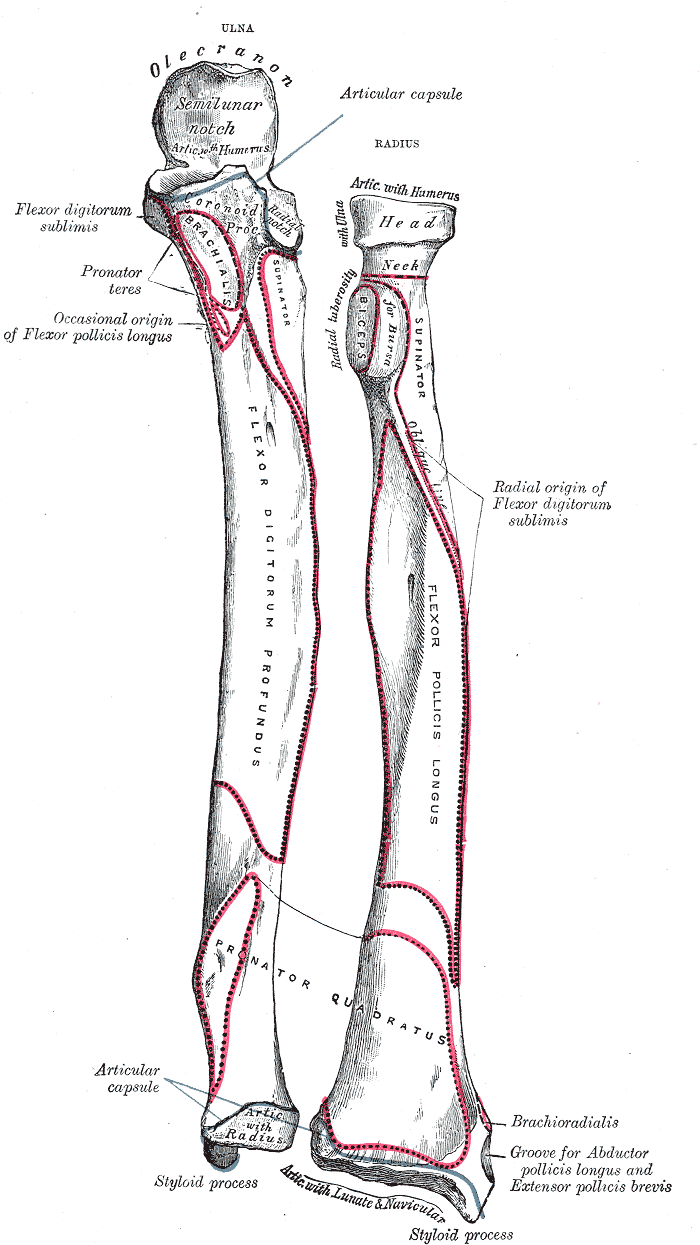
On the dorsal aspect of the forearm, 5 cun below the olecranon, between the radius and the ulna.
Focks' Atlas of Acupuncture measures it 7 cun above the dorsal wrist joint space, in the depression between the extensor digitorum and extensor carpi ulnaris muscles.
How to locate: With the forearm pronated, measure 5 cun down from the prominence of the olecranon along the back of the forearm; the point is in the depression midway between the radius and the ulna.
Distances are in cun, a proportional unit — how to measure.

3D view
3D view not available for this point: its position can't be carried onto the 3D model reliably (it failed a placement check). The 2D maps above show it.
Needling
Cited needling
Techniques — the source gives these as alternatives:
-
Perpendicular insertionDepth 1–2 cunskindeeper
-
Oblique insertion — proximal or distal, towards the elbow or wrist respectivelyDepth 1–2 cunskindeeper
Depths describe average adult habitus in the cited population, never a single safe number for the patient in front of you. Palpate and adjust.
Sources (1)
- Deadman P, Al-Khafaji M, Baker K. A Manual of Acupuncture. Hove: Journal of Chinese Medicine Publications; 1998 — p. 402 Supports: techniques (names this point)
Site notes · not cited
Functions
- Benefits the throat and the ears
- Activates the channel
Indications
Balance Method partners
Under Dr. Tan's six systems, TE9 at the forearm balances these channels at the regions its segment images.
-
1. Same Chinese nameGallbladder channelLower leg, Calf · Mirror (arm ↔ leg)Thigh · Reversed mirrorChest, Upper back · Image, head at the hand/footUpper abdomen, Lower back · Image, head toward the elbow/kneeSolve for the Gallbladder channel →
-
2. Branching (Bie Jing / Zang Fu Bie Tong)Kidney channelLower leg, Calf · Mirror (arm ↔ leg)Thigh · Reversed mirrorChest, Upper back · Image, head at the hand/footUpper abdomen, Lower back · Image, head toward the elbow/kneeSolve for the Kidney channel →
-
3. Interior–exterior pairPericardium channelForearm · Same segment, opposite sideChest, Upper back · Image, head at the hand/footUpper abdomen, Lower back · Image, head toward the elbow/kneeSolve for the Pericardium channel →
-
4. Chinese clock oppositeSpleen channelLower leg, Calf · Mirror (arm ↔ leg)Thigh · Reversed mirrorChest, Upper back · Image, head at the hand/footUpper abdomen, Lower back · Image, head toward the elbow/kneeSolve for the Spleen channel →
-
5. Chinese clock neighbourGallbladder channelLower leg, Calf · Mirror (arm ↔ leg)Thigh · Reversed mirrorChest, Upper back · Image, head at the hand/footUpper abdomen, Lower back · Image, head toward the elbow/kneeSolve for the Gallbladder channel →
-
6. Same channelTriple Energiser channelForearm · Same segment, opposite sideChest, Upper back · Image, head at the hand/footUpper abdomen, Lower back · Image, head toward the elbow/kneeSolve for the Triple Energiser channel →
Sources
- World Health Organization. WHO Standard Acupuncture Point Locations in the Western Pacific Region. Manila: WHO Regional Office for the Western Pacific, 2008. (Location.)
- Focks C, ed. Atlas of Acupuncture. Edinburgh: Churchill Livingstone Elsevier, 2008. (Locating method and actions.)
📝 Notes
Public notes from the community and your own private notes on TE9 Sidu.
No notes yet.