
前頂 (Qiándǐng) — Before the Vertex
Du (Governing) channel · point 21
Traditionally used for
- Headaches
- Dizziness
- Nose & throat
- Urinary & fluids
- Mood & calm
- Nerves & recovery
Cautions & contraindications
- Young children
Location
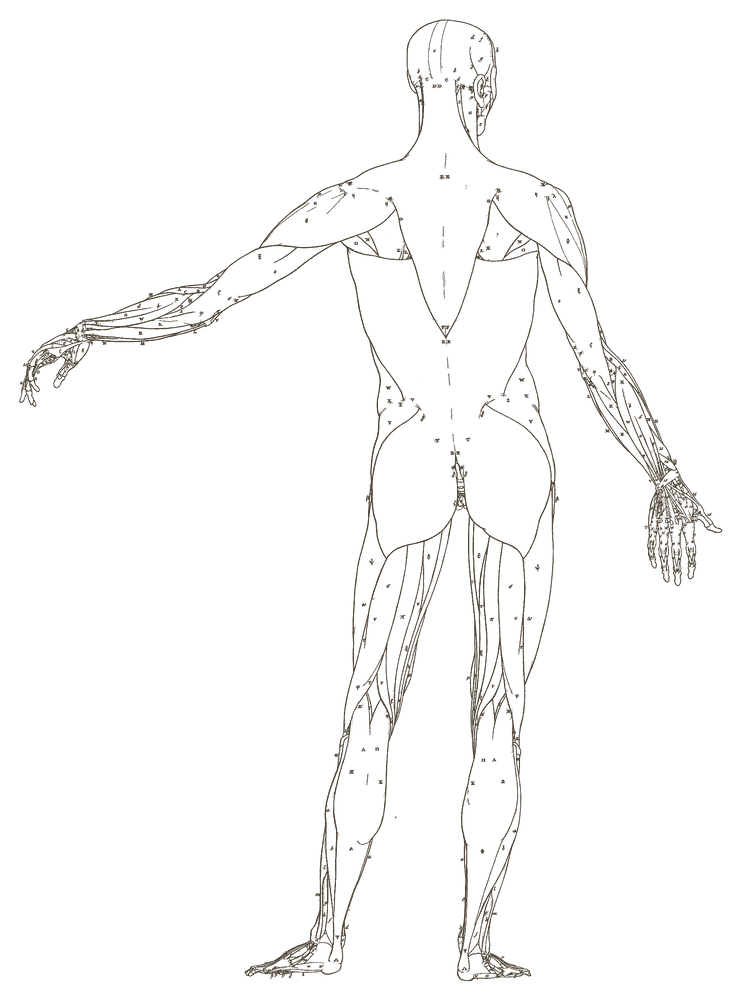
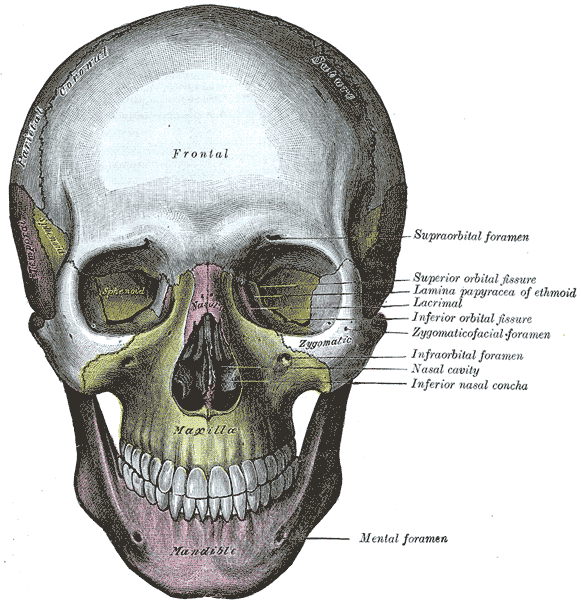
On the head, on the anterior midline, 3.5 cun within the anterior hairline, midway between GV20 and GV22.
How to locate: Find GV20 and measure 1.5 cun forwards on the midline, or 3.5 cun back from the anterior hairline; the point is midway between GV20 and GV22.
Regional anatomy: Vessels: the anastomotic network formed by the right and left superficial temporal arteries and veins. Nerves: on the communicating site of the branch of the frontal nerve with the branch of the great occipital nerve.
Distances are in cun, a proportional unit — how to measure.
Needling
Cited needling
-
Transverse insertionDepth 0.5–1 cunskindeeper
Second source — Beijing College of Traditional Chinese Medicine, et al 1980, p. 268:
-
Transverse-oblique insertionDepth 0.3–0.5 in (≈8–13 mm)skindeeper
Depths describe average adult habitus in the cited population, never a single safe number for the patient in front of you. Palpate and adjust.
Sources (2)
- Deadman P, Al-Khafaji M, Baker K. A Manual of Acupuncture. Hove: Journal of Chinese Medicine Publications; 1998 — p. 554 Supports: techniques (names this point)
- Beijing College of Traditional Chinese Medicine, et al. Essentials of Chinese Acupuncture. Beijing: Foreign Languages Press; 1980 — p. 268 Supports: techniques (names this point)
Site notes · not cited
- Young children
Functions
- Clears the head and settles wind
- Expels wind-damp
- Calms the spirit
- Benefits the nose
Indications
Sources
- World Health Organization. WHO Standard Acupuncture Point Locations in the Western Pacific Region. Manila: WHO Regional Office for the Western Pacific, 2008. (Location.)
- Focks C, ed. Atlas of Acupuncture. Edinburgh: Churchill Livingstone Elsevier, 2008. (Locating method, actions and needling cautions.)
- Beijing College of Traditional Chinese Medicine, Shanghai College of Traditional Chinese Medicine, Nanjing College of Traditional Chinese Medicine, Acupuncture Institute of the Academy of Traditional Chinese Medicine. Essentials of Chinese Acupuncture. Beijing: Foreign Languages Press, 1980. (Regional anatomy.)
Professional contributions
Clinical notes and case studies from verified practitioners, reviewed by our team before they appear. Each entry is one practitioner's report — not editorial content, and not a dosing reference.
No professional contributions yet.
Verified professionals with a live directory listing can share clinical notes and case studies here.
📝 Notes
Public notes from the community and your own private notes on GV21 Qianding.
No notes yet.