
申脈 (Shēnmài) — Extending Vessel
Bladder channel · point 62
Traditionally used for
- Headaches
- Dizziness
- Eye health
- Sleep
- Mood & calm
- Nerves & recovery
Location
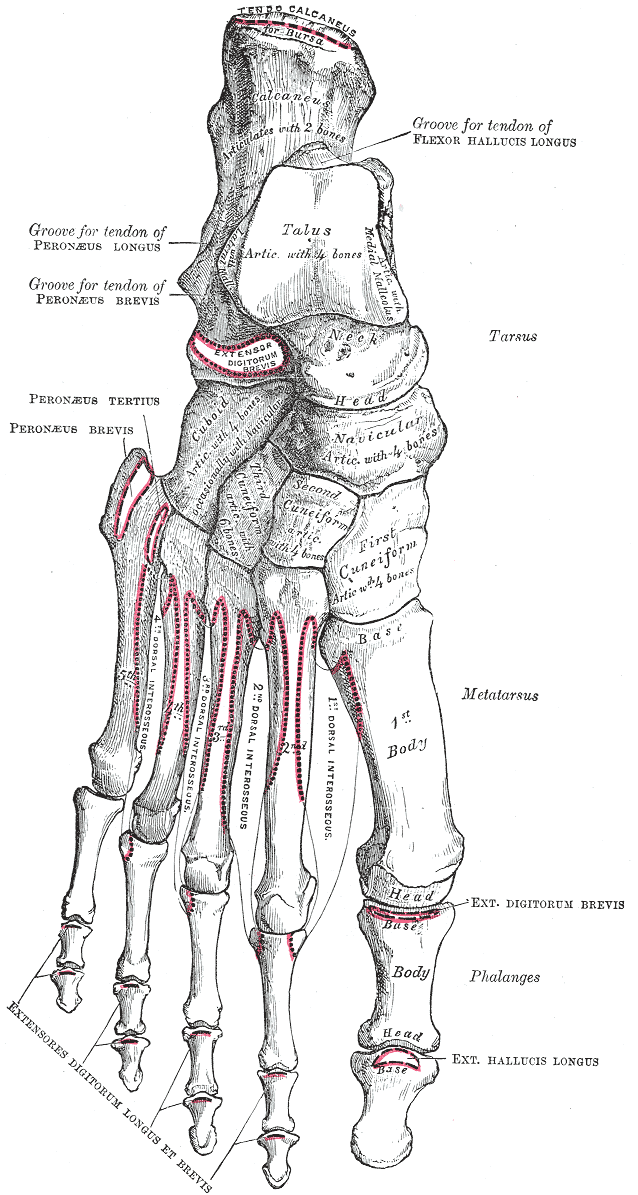
On the lateral side of the foot, directly below the prominence of the lateral malleolus, in the depression between its lower border and the calcaneus; the lateral counterpart of KI6.
How to locate: Find the most prominent point of the lateral malleolus and slide straight down past its lower border; the point is in the depression just below the malleolus, above the peroneal tendons and the calcaneus.
Distances are in cun, a proportional unit — how to measure.
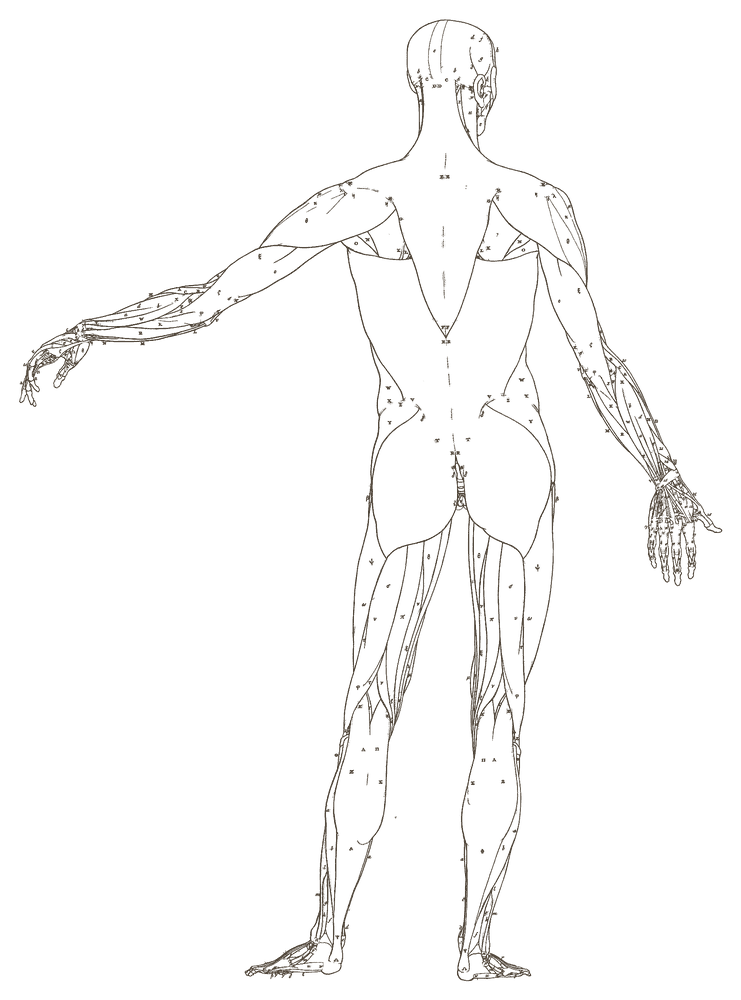
3D view
3D view not available for this point: its position can't be carried onto the 3D model reliably (it failed a placement check). The 2D maps above show it.
Needling
Cited needling
-
Oblique insertion — directed inferiorlyDepth 0.3–0.5 cunskindeeper
Depths describe average adult habitus in the cited population, never a single safe number for the patient in front of you. Palpate and adjust.
Sources (1)
- Deadman P, Al-Khafaji M, Baker K. A Manual of Acupuncture. Hove: Journal of Chinese Medicine Publications; 1998 — p. 320 Supports: techniques (names this point)
Site notes · not cited
Functions
- Opens and regulates the Yang Qiao Mai
- Calms the spirit and settles epilepsy
- Subdues interior wind and expels exterior wind
- Clears heat and benefits the head and eyes
- Activates the channel, relieves pain and relaxes the sinews of the ankle
Indications
Balance Method partners
Under Dr. Tan's six systems, BL62 at the ankle balances these channels at the regions its segment images.
-
1. Same Chinese nameSmall Intestine channelWrist · Mirror (arm ↔ leg)Shoulder · Reversed mirrorFront of neck, Nape of neck · Image, head at the hand/footLower abdomen, Sacrum · Image, head toward the elbow/kneeSolve for the Small Intestine channel →
-
2. Branching (Bie Jing / Zang Fu Bie Tong)Lung channelWrist · Mirror (arm ↔ leg)Shoulder · Reversed mirrorFront of neck, Nape of neck · Image, head at the hand/footLower abdomen, Sacrum · Image, head toward the elbow/kneeSolve for the Lung channel →
-
3. Interior–exterior pairKidney channelAnkle, Heel · Same segment, opposite sideFront of neck, Nape of neck · Image, head at the hand/footLower abdomen, Sacrum · Image, head toward the elbow/kneeSolve for the Kidney channel →
-
4. Chinese clock oppositeLung channelWrist · Mirror (arm ↔ leg)Shoulder · Reversed mirrorFront of neck, Nape of neck · Image, head at the hand/footLower abdomen, Sacrum · Image, head toward the elbow/kneeSolve for the Lung channel →
-
5. Chinese clock neighbourSmall Intestine channelWrist · Mirror (arm ↔ leg)Shoulder · Reversed mirrorFront of neck, Nape of neck · Image, head at the hand/footLower abdomen, Sacrum · Image, head toward the elbow/kneeSolve for the Small Intestine channel →
-
6. Same channelBladder channelAnkle, Heel · Same segment, opposite sideFront of neck, Nape of neck · Image, head at the hand/footLower abdomen, Sacrum · Image, head toward the elbow/kneeSolve for the Bladder channel →
Clinical Notes
Combinations Using This Point
Similar Points
Sources
- World Health Organization. WHO Standard Acupuncture Point Locations in the Western Pacific Region. Manila: WHO Regional Office for the Western Pacific, 2008. (Location.)
- Focks C, ed. Atlas of Acupuncture. Edinburgh: Churchill Livingstone Elsevier, 2008. (Locating method and actions.)
📝 Notes
Public notes from the community and your own private notes on BL62 Shenmai.
No notes yet.