
天柱 (Tiānzhù) — Celestial Pillar
Bladder channel · point 10
Traditionally used for
- Headaches
- Dizziness
- Eye health
- Nose & throat
- Sleep
- Mood & calm
- Pain & joints
Location
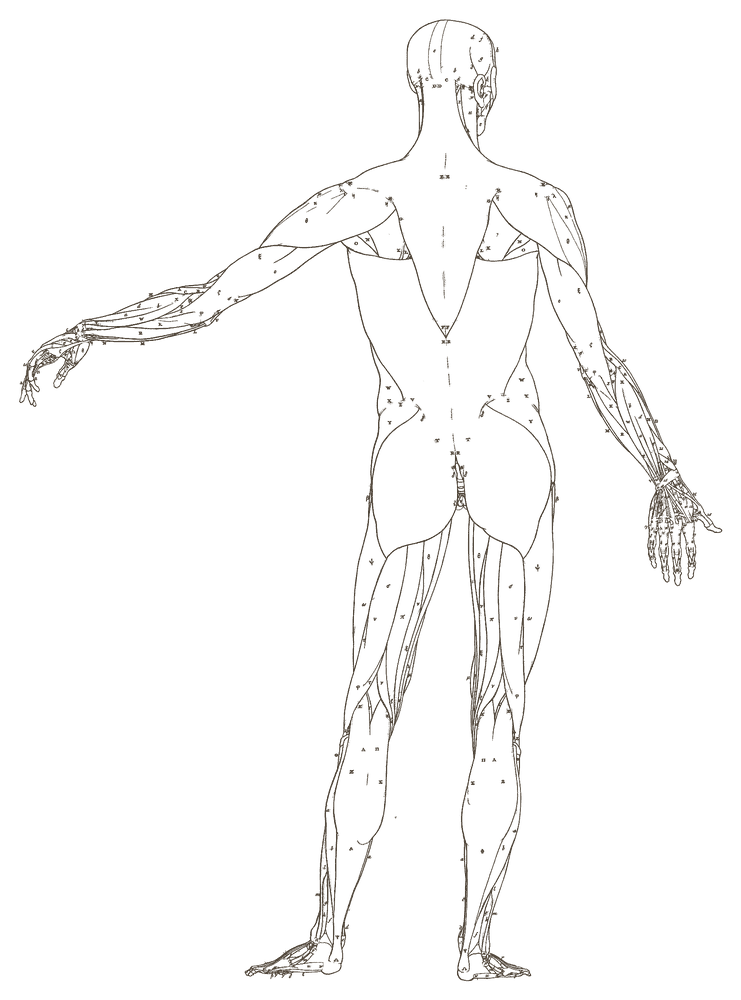
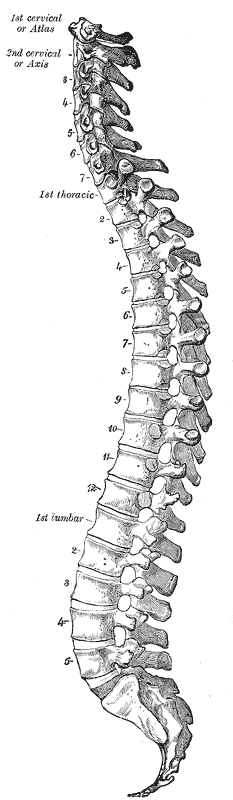
On the nape, about 1.3 cun lateral to the midline, in the depression at the lateral border of trapezius, level with the upper border of the spinous process of C2.
How to locate: With the patient seated, head slightly flexed, or prone, find GV15 in the midline hollow just below the occiput above the C2 spinous process, then move 1.3 cun laterally onto the outer edge of the thick trapezius cord; the point sits in the depression there.
Regional anatomy: Beneath the skin the needle passes the lateral edge of trapezius and semispinalis capitis to reach rectus capitis posterior major; the medulla lies deep and medial, so the needle is not angled upward toward the skull base.
Distances are in cun, a proportional unit — how to measure.
3D view
3D view not available for this point: its position on the 3D model couldn't be checked against its location text, so it is not shown. The 2D maps above show it.
Needling
Cited needling
-
Perpendicular insertionDepth 0.5–0.8 cunskindeeper
Depths describe average adult habitus in the cited population, never a single safe number for the patient in front of you. Palpate and adjust.
Sources (1)
- Deadman P, Al-Khafaji M, Baker K. A Manual of Acupuncture. Hove: Journal of Chinese Medicine Publications; 1998 — p. 263 Supports: techniques (names this point)
Site notes · not cited
Functions
- Expels wind and benefits the head and neck
- Calms the spirit and clears the sense organs
- Descends rebellious qi
- Opens the channel and strengthens the lower back
Indications
Clinical Notes
Combinations Using This Point
Tianzhu and Kunlun
BL10 and BL60, the nape and ankle of the Bladder channel — for headache, dizziness, stiff neck, nasal obstruction, epilepsy and lumbosacral pain.
Fengchi, Tianzhu and Dazhui
Fengchi, Tianzhu and Dazhui across the nape — a combination for wind invasion with headache and fever, stiff neck, cough and convulsions.
Similar Points
Sources
- World Health Organization. WHO Standard Acupuncture Point Locations in the Western Pacific Region. Manila: WHO Regional Office for the Western Pacific, 2008. (Location.)
- Focks C, ed. Atlas of Acupuncture. Edinburgh: Churchill Livingstone Elsevier, 2008. (Locating method and actions.)
📝 Notes
Public notes from the community and your own private notes on BL10 Tianzhu.
No notes yet.